
Can You Repost on Instagram? Exploring the Best Practices
Instagram is one of the most popular social media platforms today, with millions of users sharing photos and videos daily. A common question many users have is, can you repost on instagram? While Instagram does not have a native repost feature, there are several methods and tools available to share someone else’s content legally and ethically.
Understanding Instagram’s Policy on Reposting
Instagram values original content. Its policies emphasize that sharing someone else’s work requires permission. This means that technically, you cannot directly repost someone else’s photo or video on Instagram unless you have their explicit consent.
Instagram’s terms of service make it clear that users retain copyright to their content. However, this does not prevent users from sharing others’ content, provided they do so responsibly and ethically. The best practice is always to credit the original creator to maintain good relationships within the community.
Methods to Repost on Instagram
Despite the lack of a direct repost feature, several methods allow users to repost content efficiently. Here are some common practices:
1. Manual Screenshot and Repost
The simplest way to repost is to take a screenshot of the content you want to share. However, this method is not the most professional and can result in poor image quality. It is essential to edit the screenshot appropriately and mention the original creator in your caption.
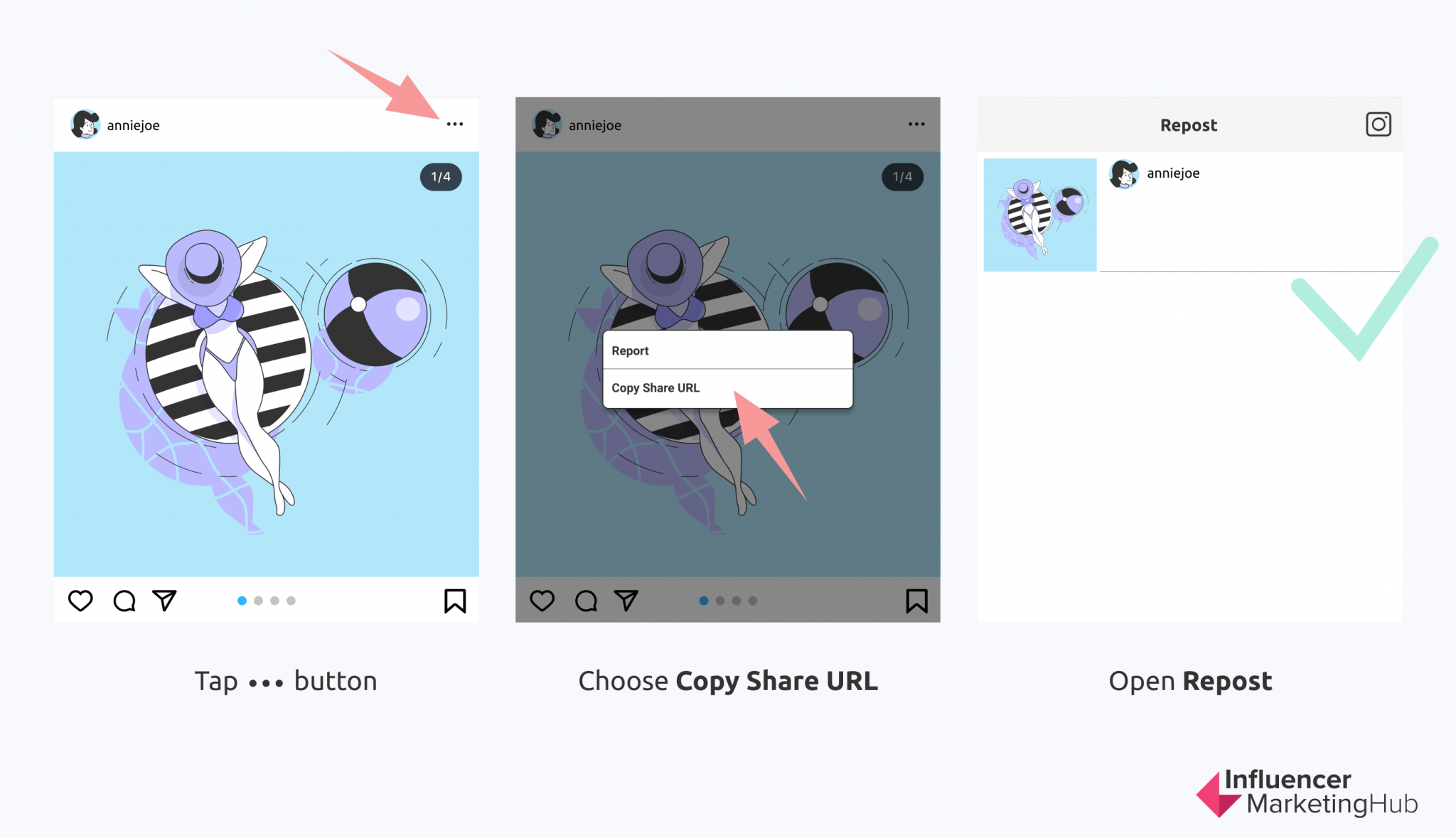
2. Using Third-Party Apps
Many apps are designed specifically for reposting content on Instagram, making it easier and more user-friendly. One of the popular options includes reposting tools such as the Repost app, which allows users to share others’ posts while automatically giving credit to the original creator.
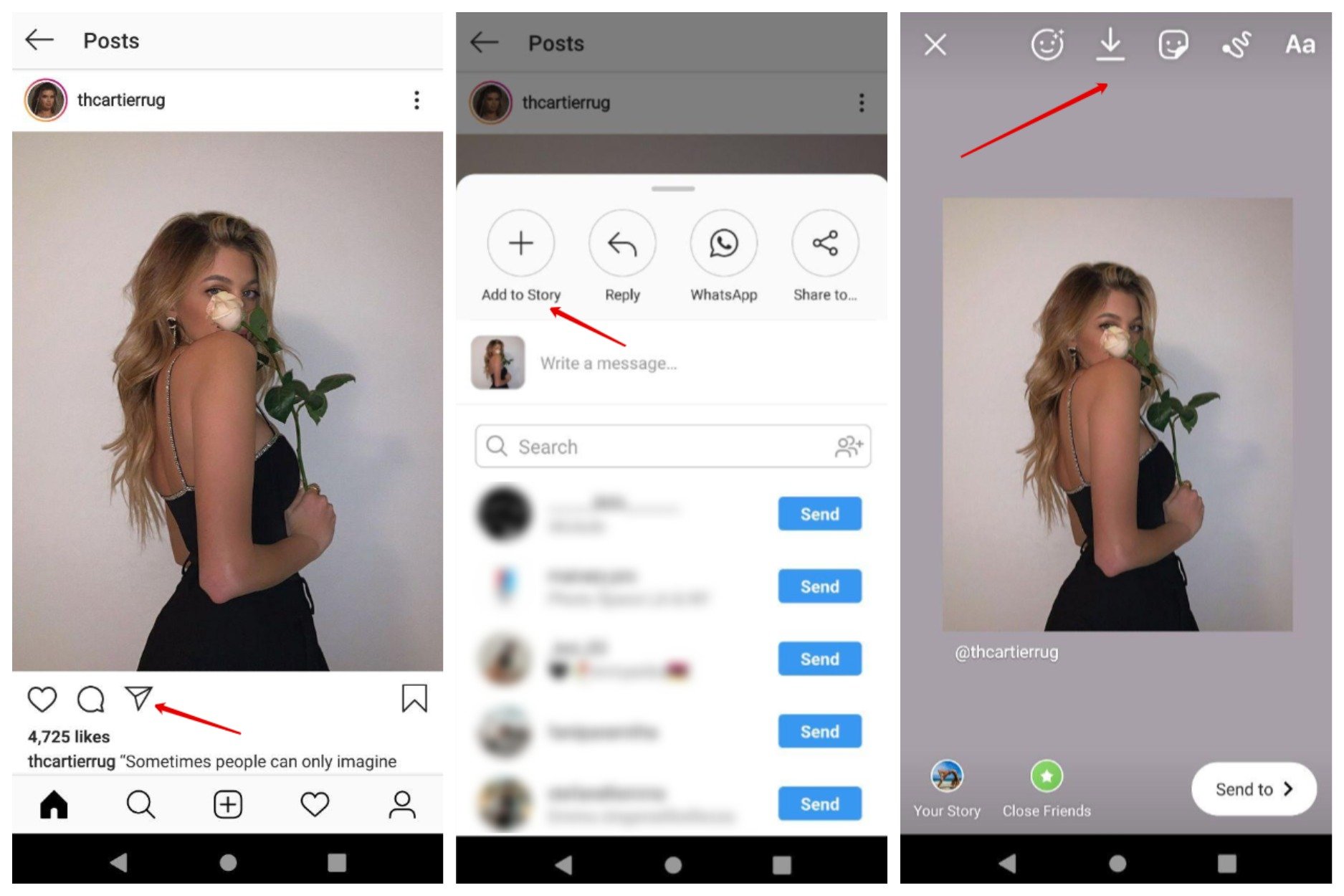
3. Share via Stories
If you want to share someone else’s post, you can do so through Instagram Stories. You can use the “Add Post to Your Story” feature to repost content directly from their account. This method is straightforward and allows you to share content without complicated permissions. Again, crediting the original creator is automatically included when you use this feature, making it a user-friendly option.
4. Instagram DMs and Link Sharing
If you want to share content but don’t want to repost, consider sending a direct message (DM) to your followers with the original post link. This way, they can view it directly from the original account, preserving the creator’s engagement.
Ethical Considerations When Reposting
When reposting content, it’s crucial to consider ethical considerations. Here are some guidelines:
1. Gain Permission
Before reposting, always seek permission from the original creator. A simple message asking if you can share their content is usually appreciated. Most creators will be happy to grant permission if you credit them appropriately.
2. Credit the Creator
Whenever you repost, make sure to credit the original creator in your caption. Mention their username and thank them for their work. This practice not only fosters goodwill but also helps your followers discover new content creators.
3. Attribute Properly
Proper attribution ensures that the original creator’s work is recognized. Misrepresenting someone else’s work as your own is unethical and can lead to issues, including the potential loss of trust among your followers.
4. Understand Copyright Laws
Familiarize yourself with copyright laws and how they apply on social media platforms like Instagram. This knowledge can protect you from potential legal issues and help you make informed decisions about sharing content.
What to Avoid When Reposting
While reposting can be a great way to share engaging content, there are a few things to avoid:
1. Reposting Without Permission
Reposting content without permission can lead to negative consequences, including being reported or blocked by the original creator. It’s essential to always ask first.
2. Poor Quality Reposts
Screenshots or poorly edited images can look unprofessional. Always aim to share high-quality content that reflects positively on both you and the original creator.
3. Taking Credit for Someone Else’s Work
Never claim someone else’s work as your own. This practice is unethical and can damage your reputation on social media. Always provide credit where it’s due.
Final Thoughts
Reposting on Instagram can be a valuable way to engage with your audience and share interesting content. However, it’s essential to navigate this process ethically and respectfully. Remember to ask for permission, provide appropriate credit, and ensure you understand copyright laws. By doing so, you can foster a positive community on Instagram while sharing the creativity of others.
As the platform continues to evolve, staying informed about its policies and best practices will help you make the most of your Instagram experience without compromising others’ rights. Happy sharing!