
The Curacao Casino License: A Comprehensive Overview
The Curacao casino license is one of the most widely recognized online gambling licenses in the world. With its attractive regulations and relatively low cost, it has become a popular choice for many online casino operators. If you’re looking into the world of iGaming and want to understand what the Curacao casino license entails, you’ve come to the right place. This guide will delve into the various aspects of the Curacao casino license, including its benefits, applications, and some of the challenges associated with it. If you are exploring options in this domain, you might want to check out Curacao casino license curacao casinos not on gamstop as a starting point.
What is the Curacao Casino License?
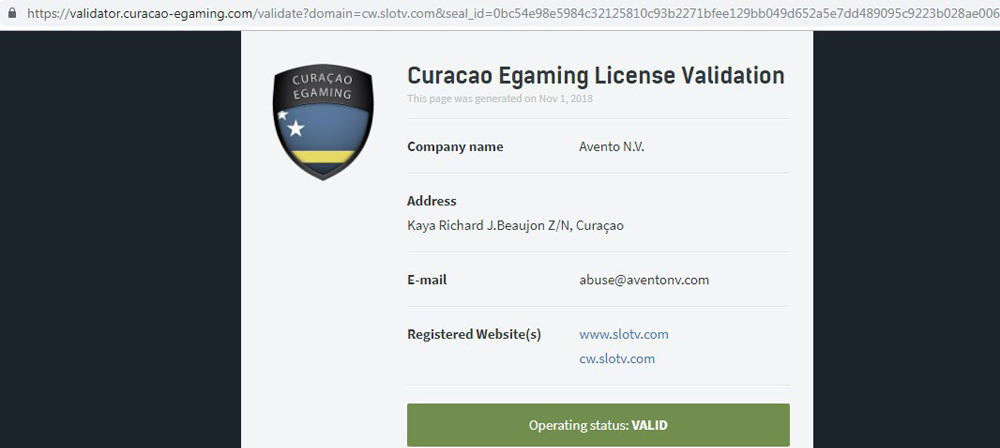
The Curacao casino license is issued by the Curacao eGaming authority, which is one of the oldest licensing bodies in the online gambling sector. Established since 1996, Curacao has created a regulatory framework that allows operators to run online casinos, poker rooms, sportsbooks, and other gambling-related businesses. The license allows for a wide range of gaming activities, making it an attractive option for many operators.
Benefits of Acquiring a Curacao Casino License
1. Cost-Effectiveness
One of the primary reasons why operators opt for a Curacao casino license is the lower cost compared to other jurisdictions. The application process is relatively straightforward and includes a one-time fee and minimal ongoing costs. This makes it accessible for new operators looking to enter the online gambling market.
2. Quick and Streamlined Process
The time taken to acquire a Curacao casino license is significantly shorter than in other jurisdictions. The application can be processed in as little as two weeks, allowing operators to start their businesses quickly.
3. Flexible Regulatory Framework
Curacao offers a flexible regulatory environment in which operators can create a variety of gaming offerings. This adaptability appeals to many entrepreneurs looking to innovate in the online gambling space.
4. Tax Advantages
Gambling operators licensed in Curacao benefit from a favorable tax environment, with only a 2% tax on net revenue. Compared to other jurisdictions where tax rates can be as high as 20-30%, this low rate is highly appealing.
5. International Market Access
Holding a Curacao license allows operators to accept players from various countries, although it is essential to ensure compliance with local laws in these markets. Curacao’s reputation enables operators to market themselves effectively across multiple international boundaries.
Challenges of the Curacao Casino License
1. Limited Consumer Protection
One of the main criticisms of the Curacao licensing process is the lower level of consumer protection compared to other jurisdictions like the UK or Malta. Players may have fewer resources for dispute resolution, raising concerns about fairness and safety.
2. Reputation Issues
Although many reputable casinos operate under a Curacao license, the lack of strict regulatory enforcement has led to some operators exploiting the system. This situation has affected the overall reputation of Curacao-licensed casinos, as players often associate the license with unregulated environments.
3. Lack of Player Insights
Curacao does not enforce a system for auditing gaming operators, meaning that players often lack transparency regarding the fairness of games. Moreover, operators may not be required to publish their payout percentages, leading to uncertainty about the integrity of games offered.
Applying for a Curacao Casino License
The application process for obtaining a Curacao casino license is relatively straightforward but still requires meticulous preparation. Operators must follow several key steps to secure their license:
Step 1: Choose a Licensing Type
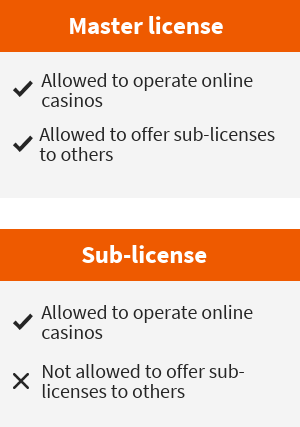
Curacao offers two types of licenses: a Master License and a Sub-License. A Master License allows you to operate independently and provide licenses to other operators. Most small operators choose a Sub-License due to the lower costs and reduced responsibilities.
Step 2: Prepare Required Documentation
As part of your application, you must submit various documents, including a business plan, details of ownership, proof of identity, and financial records. It is crucial to ensure that all documentation is complete and accurately submitted to smooth the application process.
Step 3: Pay the Fees
After the submission of documents, the next step is to pay the required fees. The costs vary based on whether you are obtaining a Master License or Sub-License, but expect to budget for the initial application fee and annual renewal fees.

Step 4: Await Approval
Once your application is complete, the licensing authority will review your submitted documents. If everything meets their criteria, you will receive your gaming license, allowing you to operate legally and accept players.
Conclusion
The Curacao casino license offers several advantages for online gaming businesses, especially regarding cost and flexibility. However, prospective operators must also weigh the potential challenges such as reputation issues and limited consumer protection. Understanding both the benefits and drawbacks of the Curacao casino license is essential for making informed decisions in the highly competitive online gambling market. Ultimately, thorough research and regulatory compliance can help ensure a successful online gaming venture.